Live fado, every night
Fado
What fado is
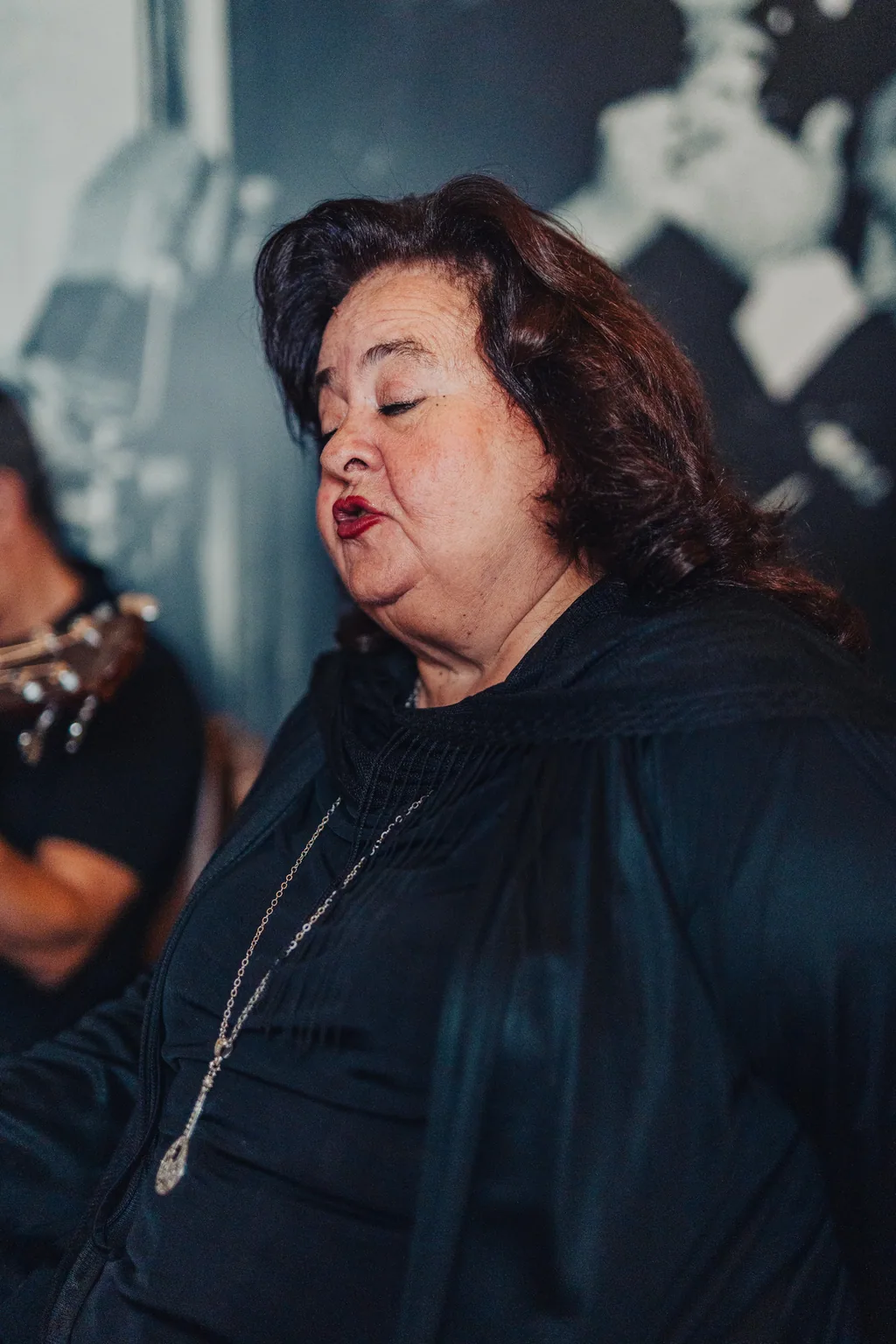
Fado is song. It’s sung in bare voice, without a microphone, over verses about longing, loss, love, the sea, Lisbon. These verses aren’t song lyrics — they’re poems, in their own metre, written to be sung this way and no other.
It was born in Lisbon in the 19th century, in taverns, streets and houses. In 2011, UNESCO listed it as Intangible Cultural Heritage of Humanity. But inside a fado house, between the courses of the evening, it isn’t heard as a category — it’s heard for what it is: song, Portuguese guitar, viola de fado, silence around.
How fado is sung at Luso
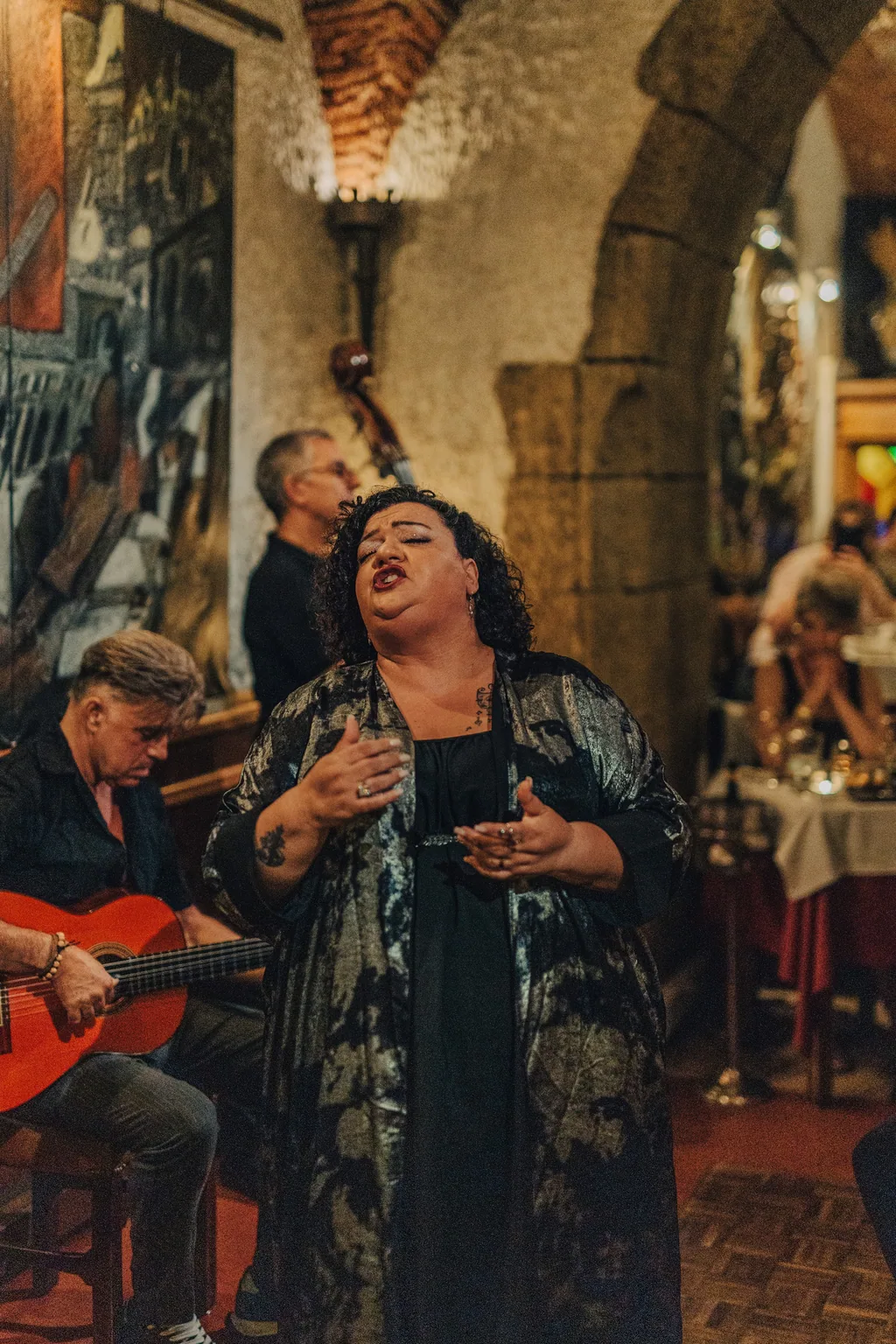
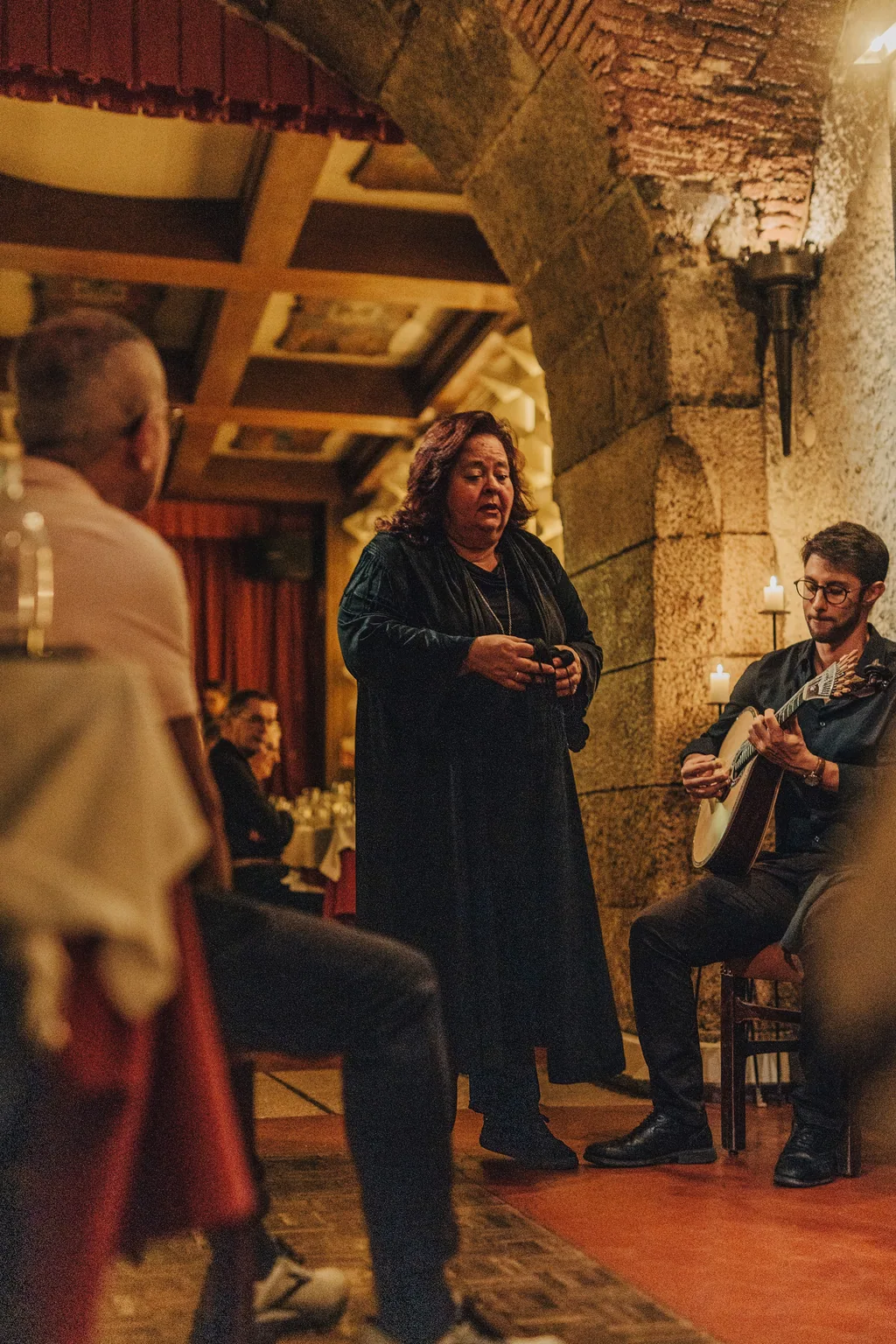
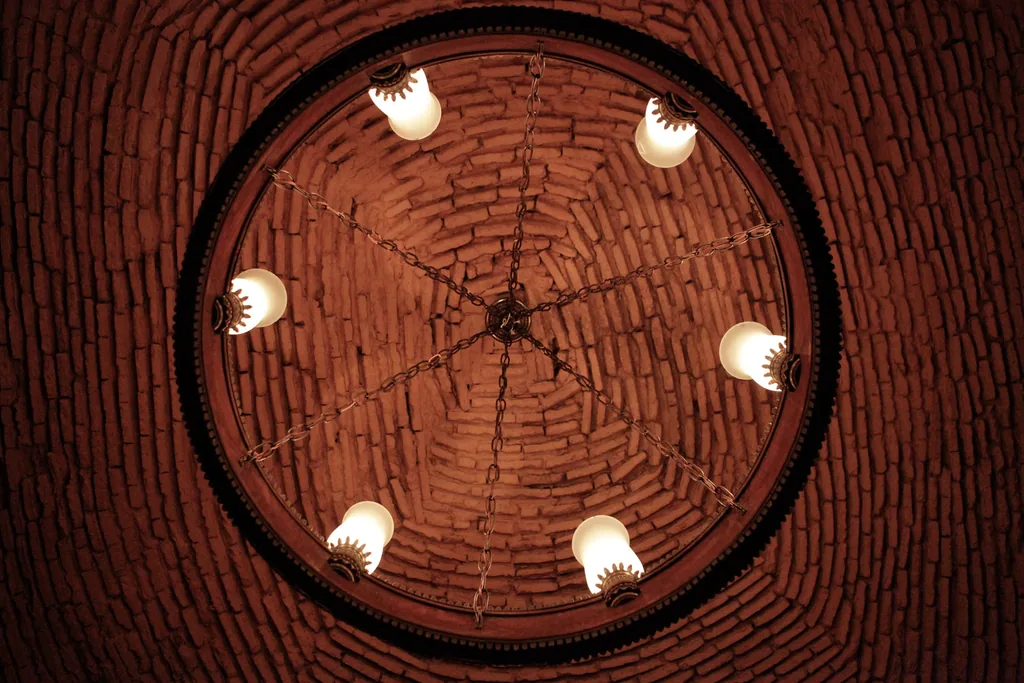
At Café Luso, the acoustics belong to the stone: the vaults of the palace’s old cellars return the voice whole to the room, with no amplification at all. This is fado as it was sung before microphones existed — because here they were never needed.
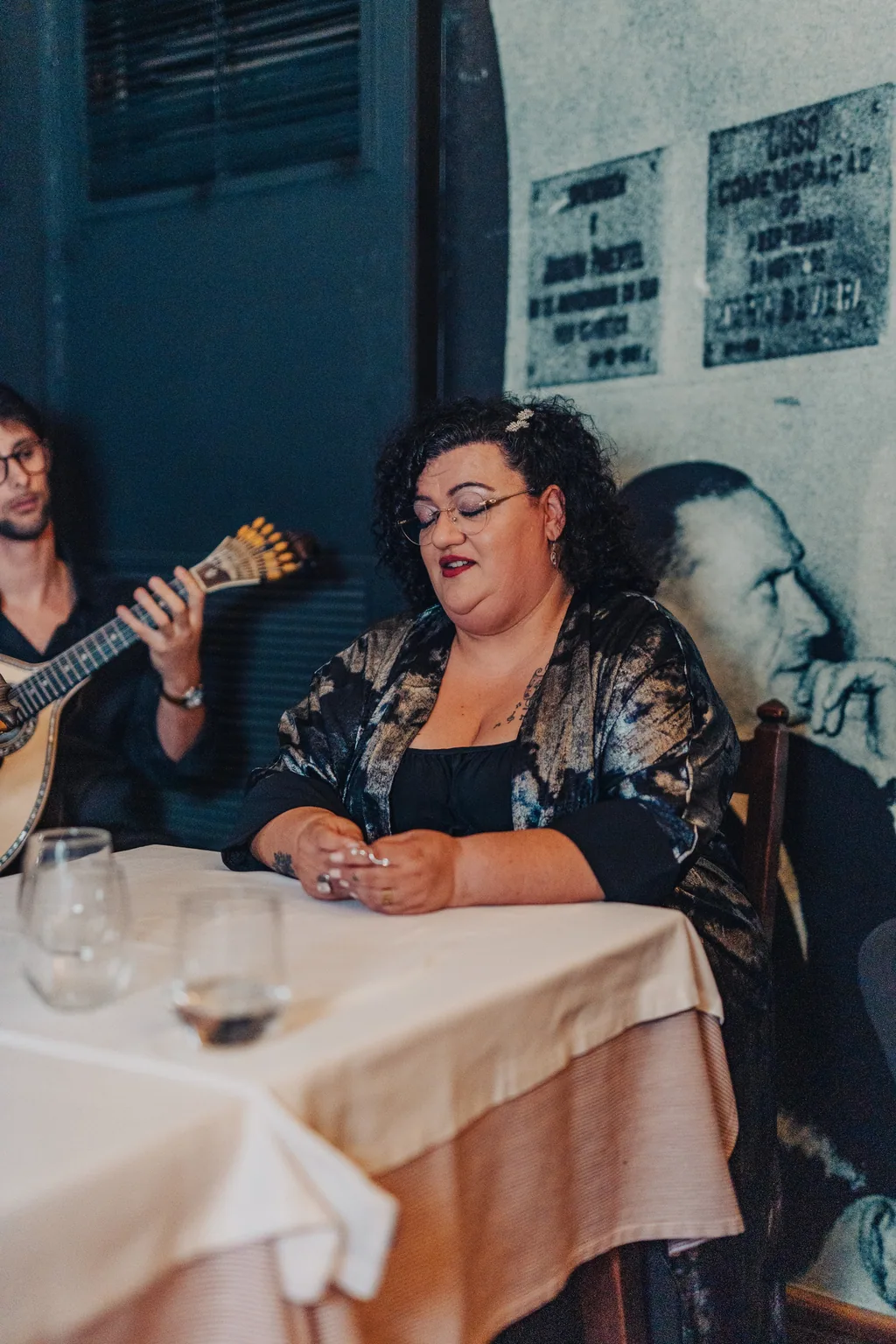
The lights dim, the room falls silent, and each set is sung right against the tables. Between the walls where Amália sang, fado singers and guitarists carry the classical and contemporary repertoire — the standard is always the genre, never the effect.
What a night looks like
The kitchen opens at 19:00. Fado begins at 20:15 and stretches to 01:00, in sets alternating with the courses of the menu. When the singers perform, the room falls silent; when they pause, the plates arrive and conversation returns. And so on, until the night ends.
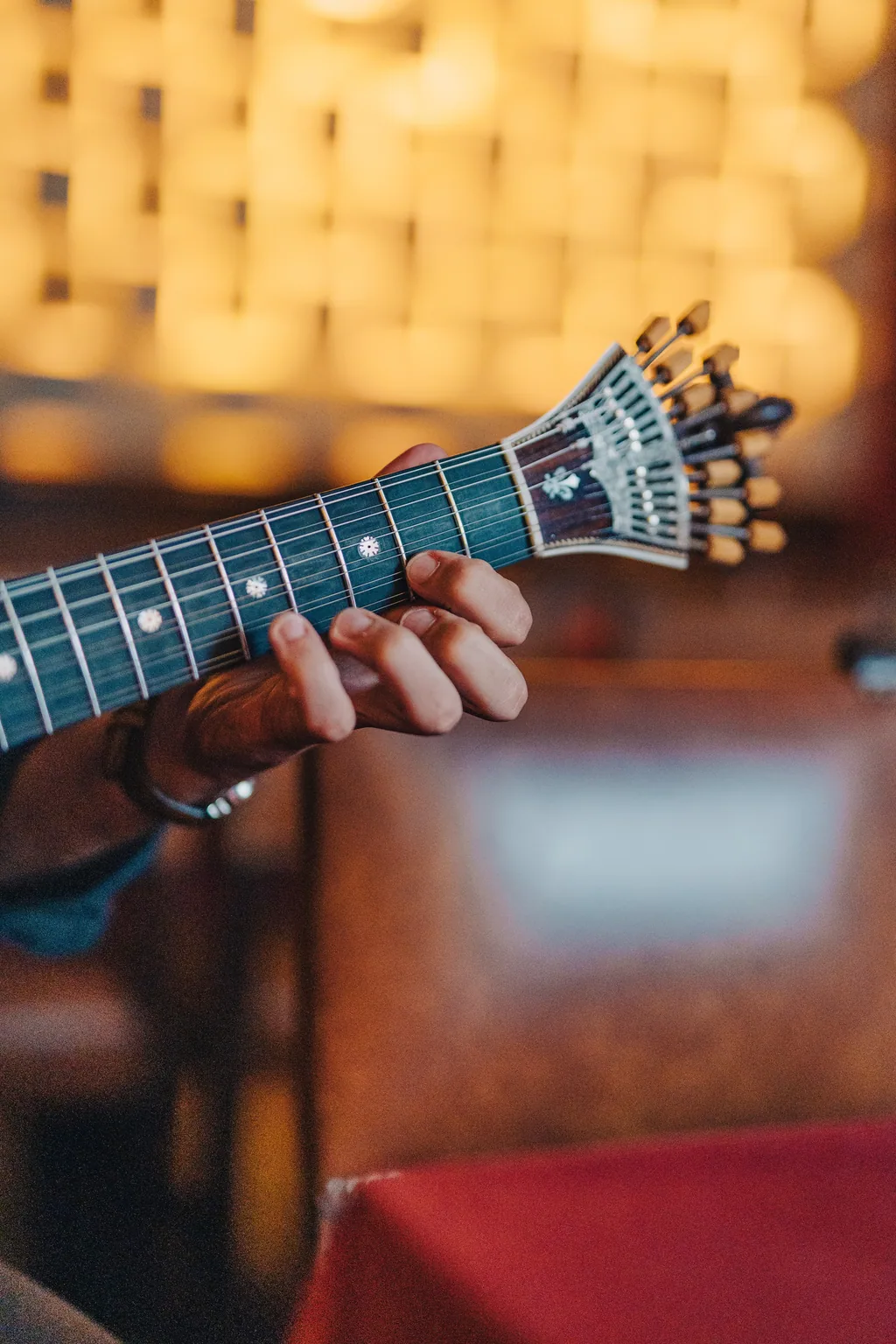
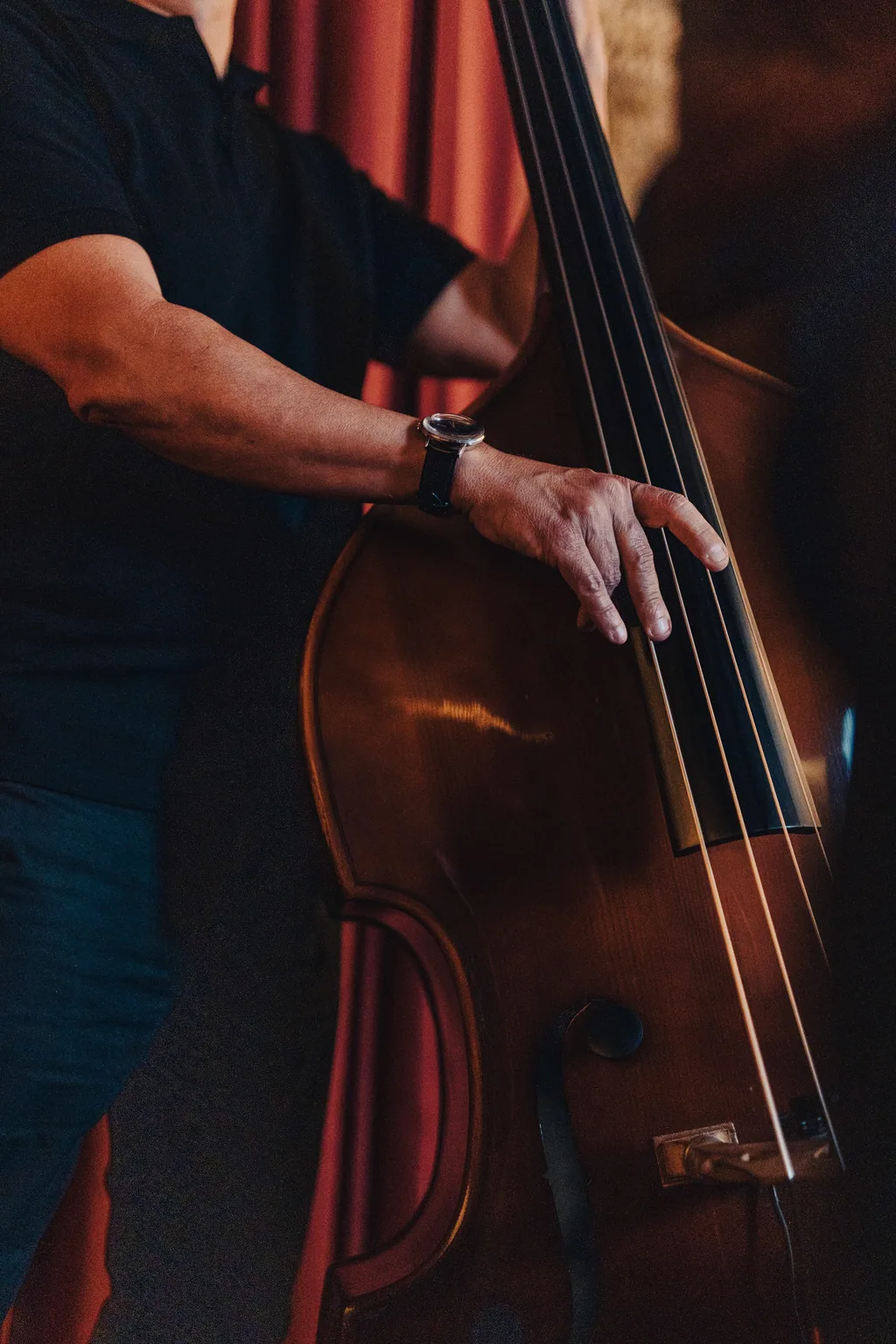
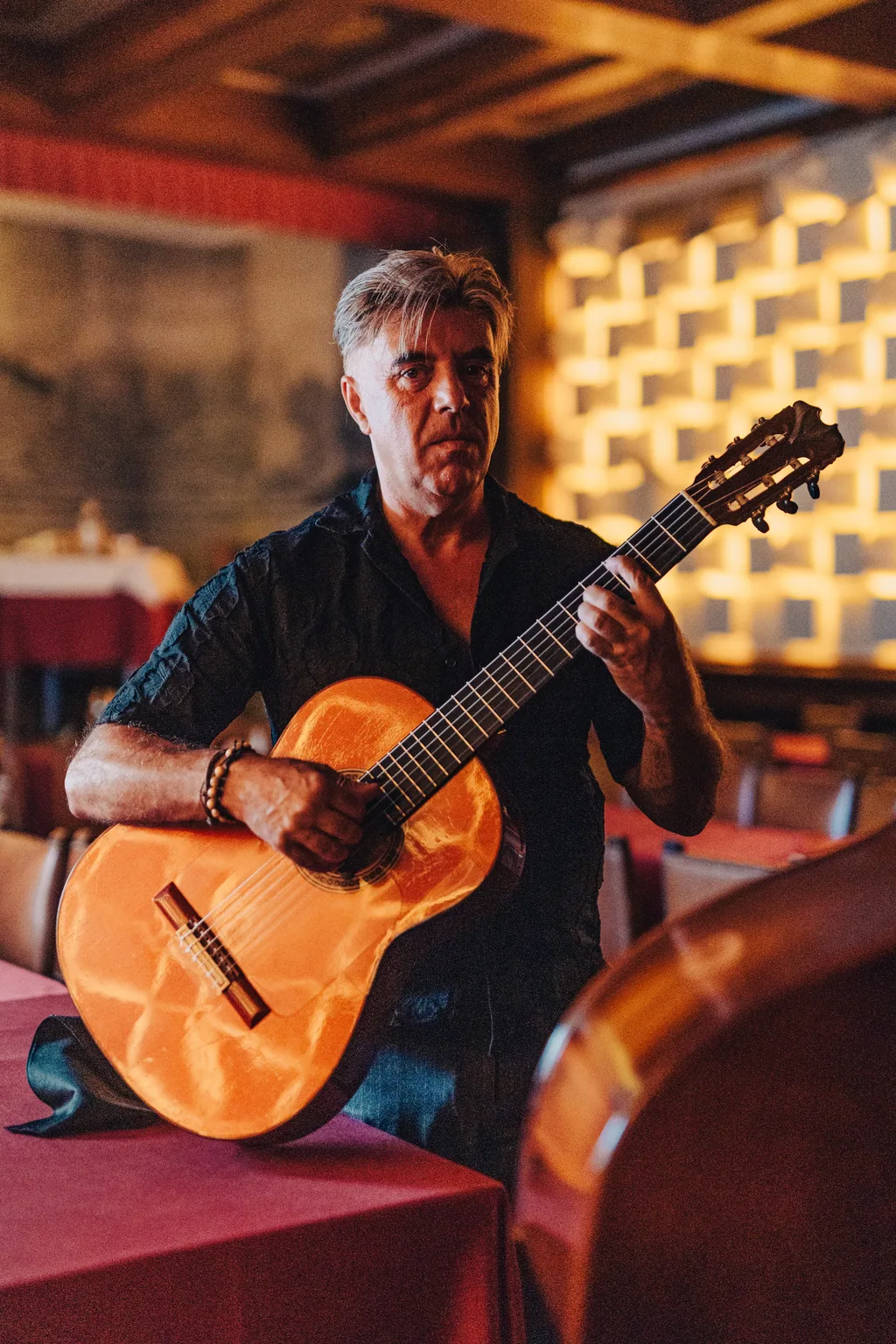
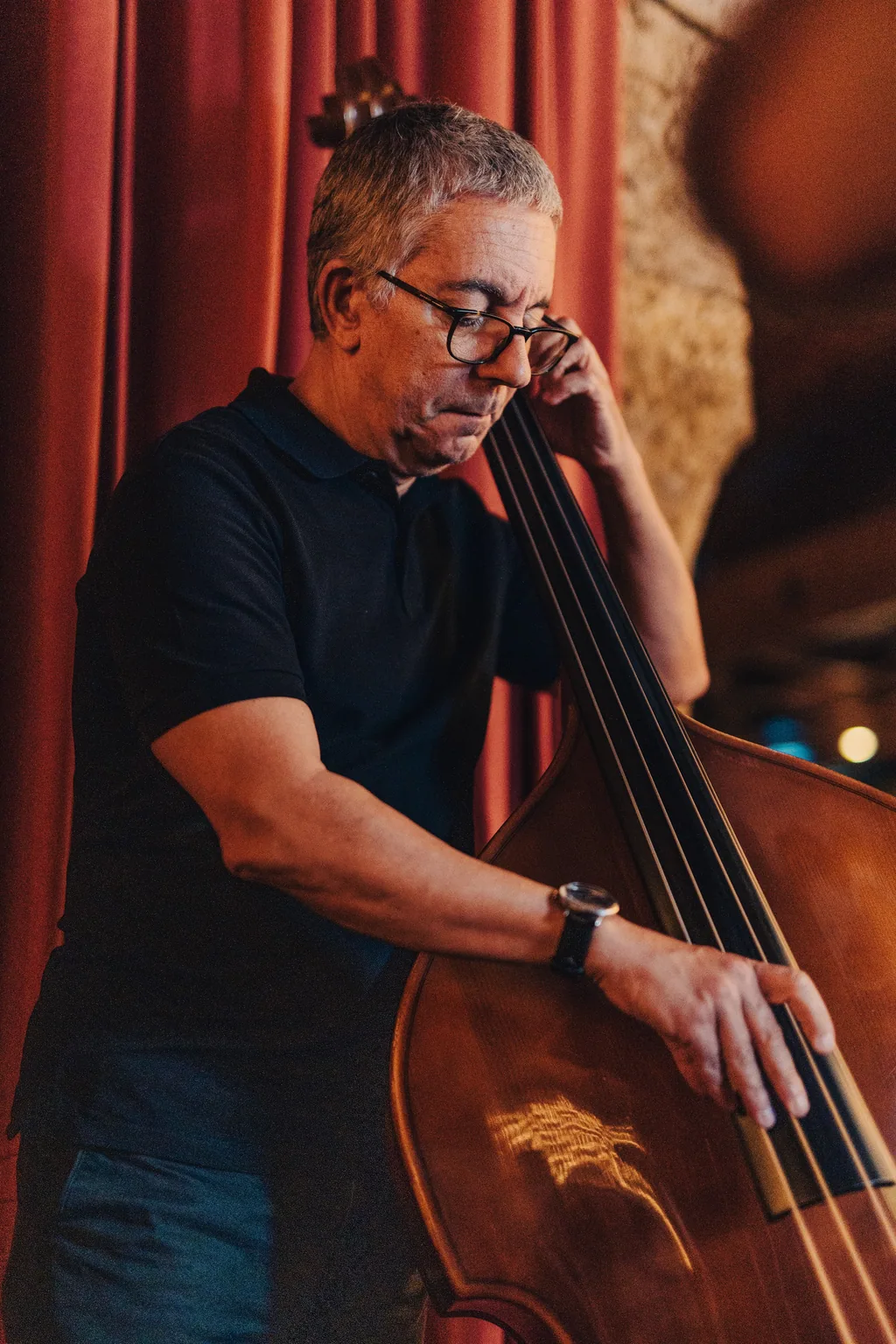
The Portuguese guitar plays the ornamented melody that sets fado apart from any other music; the viola de fado gives the chord; the double bass, the foundation. Somewhere in the night comes a guitarrada — the musicians alone, the instrument speaking without verses.
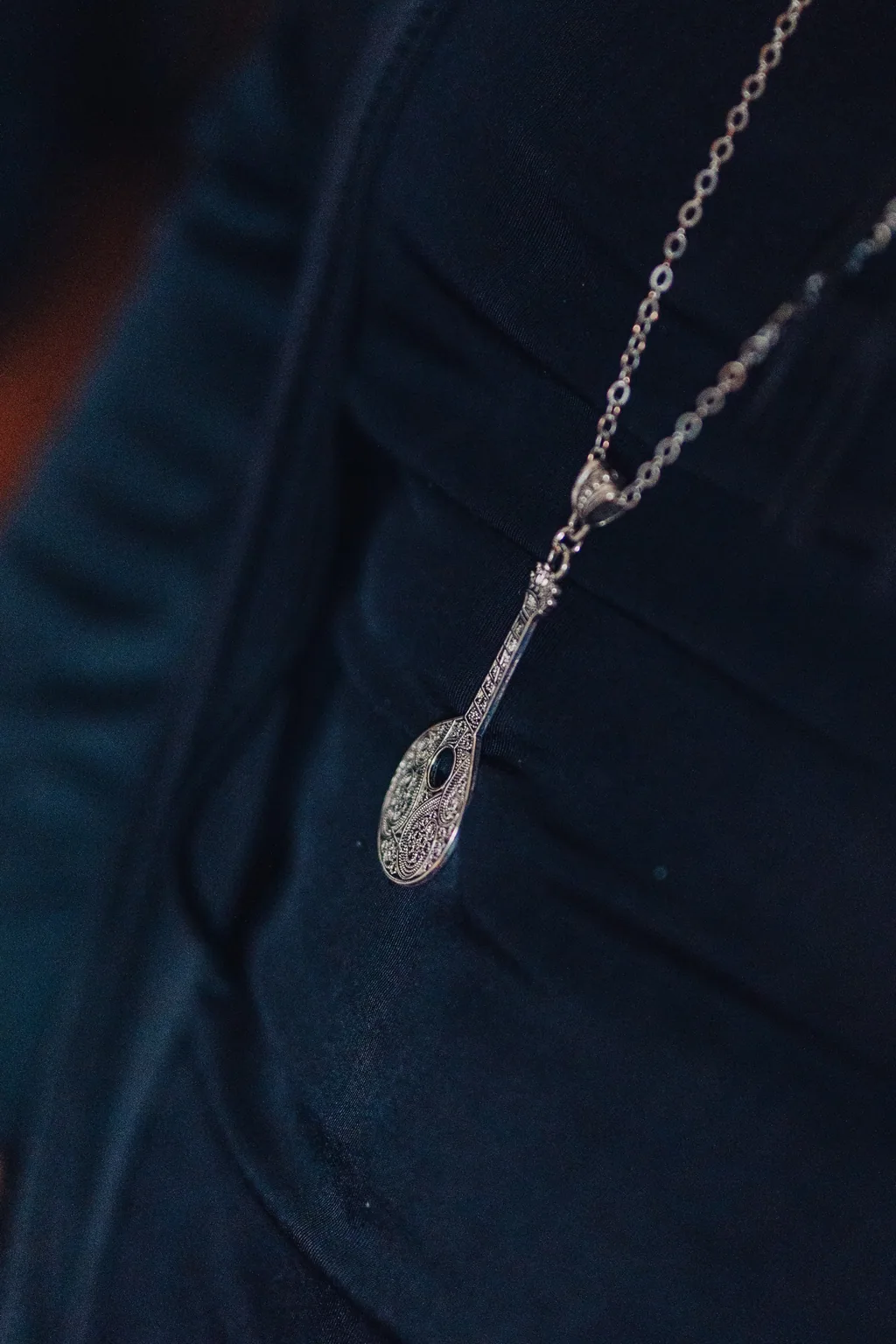
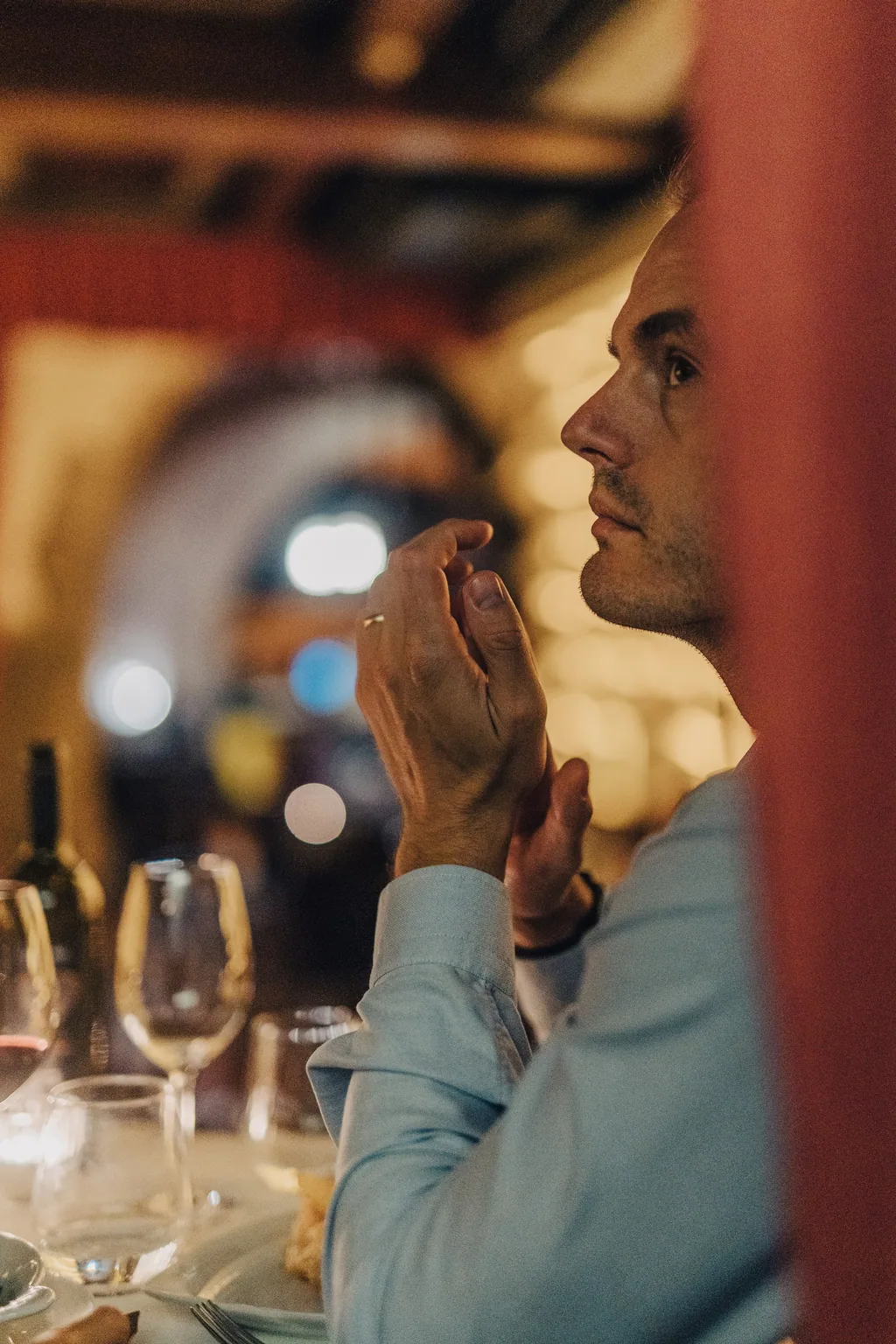
Who sings at Luso
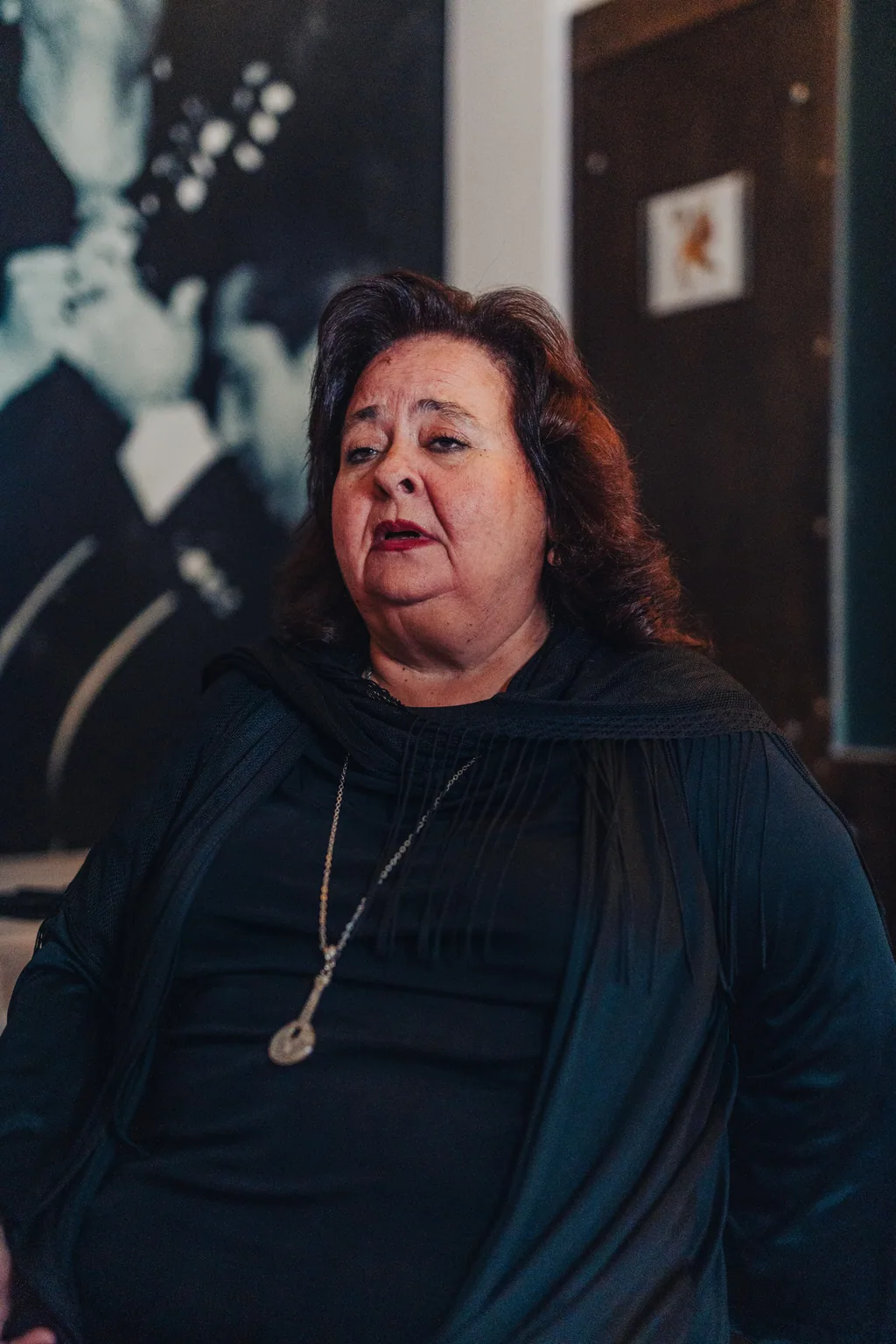
The fado groups rotate through the night and through the week. These are the house’s voices and musicians.
The voices
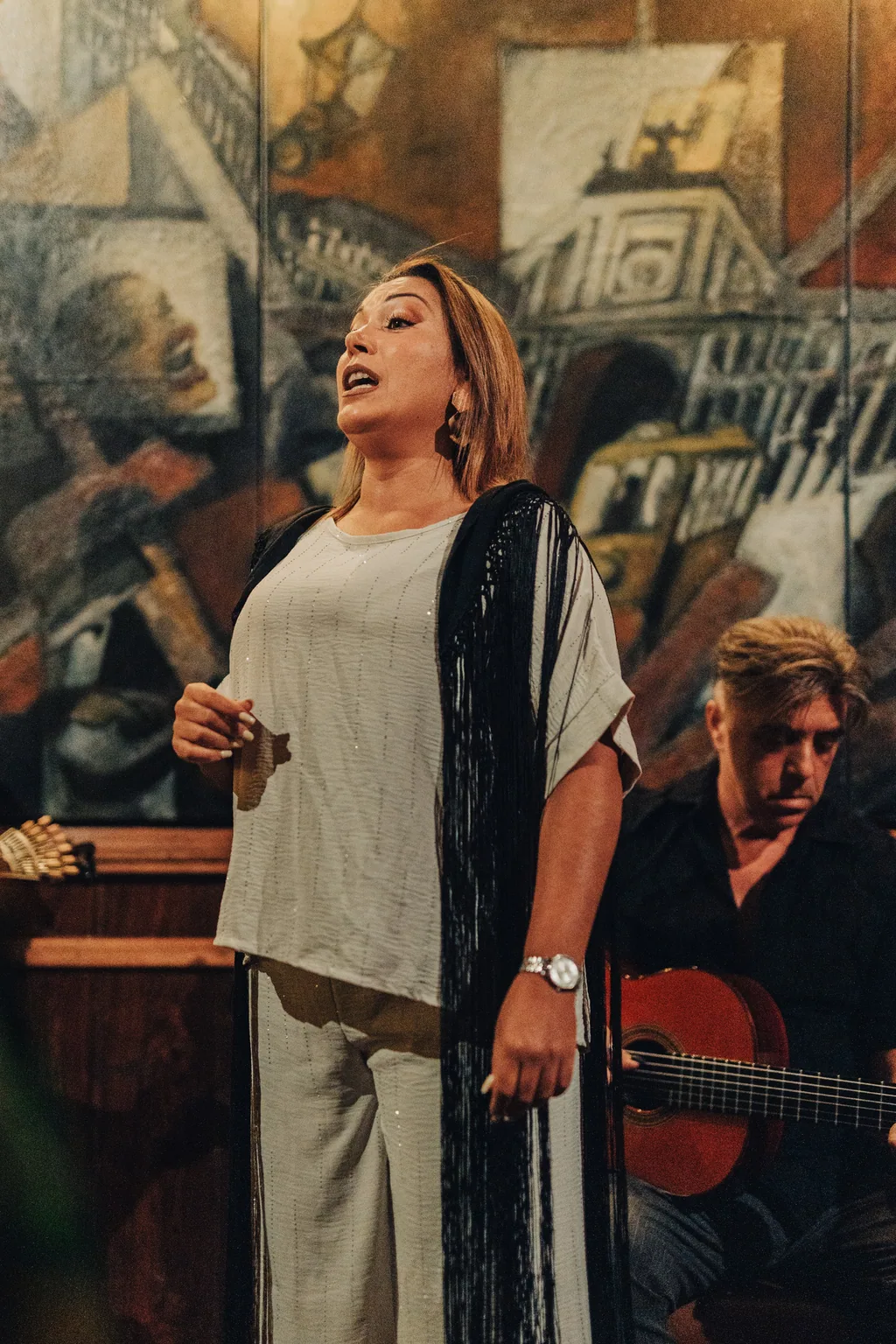
The musicians
A hundred years without a microphone.Café Luso
The palace stone
does the rest.
Book an evening at Luso
Fado begins at 20:15. The kitchen opens at 19:00. The tables beneath the vault are few — and evenings fill up well in advance.